Mouldy Cheese Font: A Fancy Display Typeface for Branding
Last week, I found myself sitting at my kitchen table with a stack of kraft paper labels, a cup of tea, and a mild sense of panic. I was helping a friend who runs a small specialty food shop refresh her product packaging. She wanted something that felt polished and memorable without looking like every other artisan brand on the shelf. We had the ingredients, the story, and the photography. But the typography felt flat. That is when I opened my font library and remembered a file I had downloaded a few weeks earlier: Mouldy Cheese. I had saved it under my Freebies folder, thinking it might come in handy one day. That day had arrived.
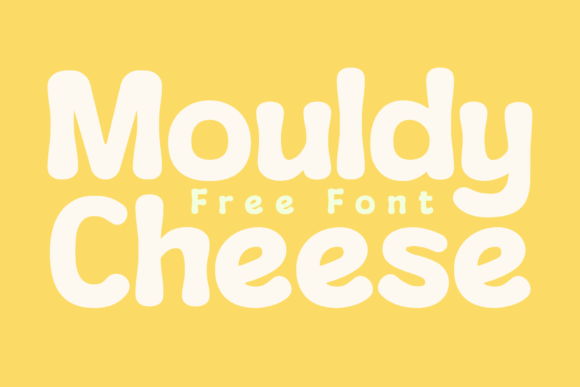
What struck me immediately was how much personality this typeface carries. Mouldy Cheese is a cool, fancy-style display font that manages to be both elegant and playful. It has that handcrafted feel that so many small business owners are looking for these days. The letterforms have a slight unevenness, a natural variation that makes them feel drawn rather than mechanically produced. It is not trying to be perfect. And that is exactly why it works so well for branding that wants to feel approachable and premium at the same time.
Testing Mouldy Cheese on Real Business Materials
I decided to put Mouldy Cheese through a practical test. My friend needed new labels for her small-batch preserves, a set of thank-you cards to include with online orders, and a fresh banner for her Instagram shop. I wanted to see how the font held up across printed packaging, digital graphics, and small-scale print.
The first test was the label design. I used Mouldy Cheese for the product name on a strawberry rhubarb preserve label. The fancy display style immediately elevated the look. It gave the jar a sense of character that a standard sans serif font simply could not match. The label felt like something you would see in a boutique food hall, not just a home kitchen. The uneven strokes added a handmade warmth that aligned perfectly with the small-batch story of the product.
Next, I moved to the thank-you cards. For a short headline like thank you, Mouldy Cheese performed beautifully. The decorative quality of the typeface made the card feel special without needing any extra ornamentation. I paired it with a clean sans serif font for the body text, and the contrast was striking. The headline drew the eye, while the supporting text remained easy to read.
The Instagram banner was a different challenge. On a mobile screen, readability matters. I used Mouldy Cheese for the shop name at the top of the banner, keeping it large and centered. At that size, the fancy details were visible without becoming muddy. Below it, I used a simple serif font for the tagline. The combination felt cohesive and professional.
The Personality Behind the Typeface
Every typeface has a personality, and Mouldy Cheese has a distinct one. It feels creative, confident, and slightly whimsical. It is the kind of font you would choose for a brand that wants to stand out without shouting. It works well for logos, branding materials, invitations, stationery, wedding designs, and social media graphics. The font sits comfortably in the display font category, meaning it is best used for headlines, short phrases, and decorative accents rather than long blocks of text.
For small business owners, this typeface offers a way to add visual interest without needing a full design overhaul. A single word set in Mouldy Cheese can become the focal point of a label, a business card, or a product page. It gives you that fancy touch without feeling pretentious. It is dressy but friendly.
The design language of Mouldy Cheese leans into the current trend of modern typography that values authenticity over perfection. It has that hand-drawn quality that customers often associate with small-batch, handmade, or artisanal products. If you sell candles, soaps, baked goods, stationery, or boutique clothing, this font can help communicate the care and craft behind your work.
Where Mouldy Cheese Shines in Your Brand
Based on my testing, I found several places where Mouldy Cheese performs exceptionally well in a small business context. Let me walk through the most effective applications.
- Product labels and packaging. Whether you are designing a label for a candle jar, a skincare bottle, or a bakery box, Mouldy Cheese adds a memorable, premium feel. Use it for the product name or a key descriptor like handmade or small batch. It works best at a medium to large size where the decorative details can be appreciated.
- Logo and brand name. If your brand name is short, Mouldy Cheese can serve as your logo typeface. It has enough personality to stand alone without needing an icon or symbol. I tested it for a mock coffee shop name, and the result looked like something you would see on a chalkboard in a trendy neighborhood café.
- Invitations and stationery. For wedding invitations, greeting cards, or thank-you notes, this font adds a romantic, handcrafted touch. It pairs beautifully with floral elements or simple line illustrations.
- Social media graphics. On Instagram stories, Pinterest pins, or Facebook posts, Mouldy Cheese works well for short quotes, product names, or call-to-action phrases. Keep the text large and centered to maintain readability on mobile devices.
- Menus and flyers. Cafés, bakeries, and small restaurants can use Mouldy Cheese for menu headers or special promotions. It draws attention to specific items without overwhelming the layout.
I also want to mention how this font can support brand consistency. Once you establish Mouldy Cheese as your headline or logo font, you can carry it across multiple touchpoints. Your website banner, your product packaging, your business cards, and your email newsletter header can all use the same typeface. This repetition builds recognition and trust with your customers. They start to associate that fancy, friendly look with your brand.
Simple Font Pairing Ideas
One question I hear often from business owners is what to pair with a decorative display font. The key is balance. Mouldy Cheese is expressive, so it needs a calm partner for body text or secondary information. Here are a few pairing approaches that worked well in my tests.
Pair Mouldy Cheese with a clean sans serif font for a modern, approachable look. The sans serif keeps the overall design grounded and easy to read. This combination works well for product labels where you need a clear ingredient list or instructions below a fancy headline. I used this pairing for the preserve labels, and it felt balanced and professional.
Another option is to pair it with an elegant serif font for a more traditional or sophisticated feel. The serif adds a classic weight that complements the playful details of Mouldy Cheese. This pairing is ideal for wedding stationery, upscale branding, or editorial design projects.
For a more relaxed, handmade aesthetic, try pairing Mouldy Cheese with a simple handwritten font. The two styles share a similar organic quality, but the handwritten font adds variety. Just be careful not to use two overly decorative fonts together, or the design can feel busy.
Readability Considerations for Small Business Use
I would be remiss if I did not talk about readability. Mouldy Cheese is a display font by nature, and that comes with certain limitations. At small sizes, especially on printed labels or mobile screens, the decorative details can become difficult to read. I recommend using this font at 18 points or larger for print, and at a generous size for digital use. Reserve it for headlines, product names, and short phrases. For body text, ingredient lists, or legal disclaimers, use a simpler companion font.
Another practical tip: test the font on your actual materials before committing. Print a sample label, take a photo of it in natural light, and view it on a phone screen. What looks beautiful on a computer monitor may read differently on a small jar or a social media thumbnail. In my tests, Mouldy Cheese held up well on kraft paper labels and on digital banners, but I made sure to keep the text large and give it plenty of breathing room.
I also recommend checking the font file format before downloading. Mouldy Cheese is available as a free font under the Freebies category, and it is always wise to confirm the specific file types included. Most designers prefer OTF or TTF formats for maximum compatibility with design software. If you plan to use the font on physical products, packaging, or merchandise, pay close attention to the commercial font licensing. Some free fonts allow personal use only, while others permit commercial use. Verify the license terms to ensure you can use Mouldy Cheese on your products, labels, templates, or client work without any issues.
Additionally, check whether the font includes alternates, ligatures, or multilingual support. These features can give you more flexibility in your designs. Alternates allow you to customize the look of certain letters, and ligatures create smoother connections between specific character pairs. If your brand uses special characters or accented letters, make sure the font supports them.
Overall, Mouldy Cheese is a valuable addition to any small business owner's design toolkit. It offers a distinctive, fancy style that can elevate your branding without requiring a large budget or advanced design skills. Whether you are updating your product packaging, creating new social media graphics, or designing a complete brand identity, this typeface gives you a way to add personality and polish. Start with one application, test it on real materials, and see how it resonates with your customers. Sometimes the smallest design change, like choosing the right font, can make the biggest difference in how your brand is perceived.